.png)
BIK Product Update March'26
Welcome to this month’s BIK - News, your monthly product updates
Let’s dive in 👇
New Journey's Store Router Behavior
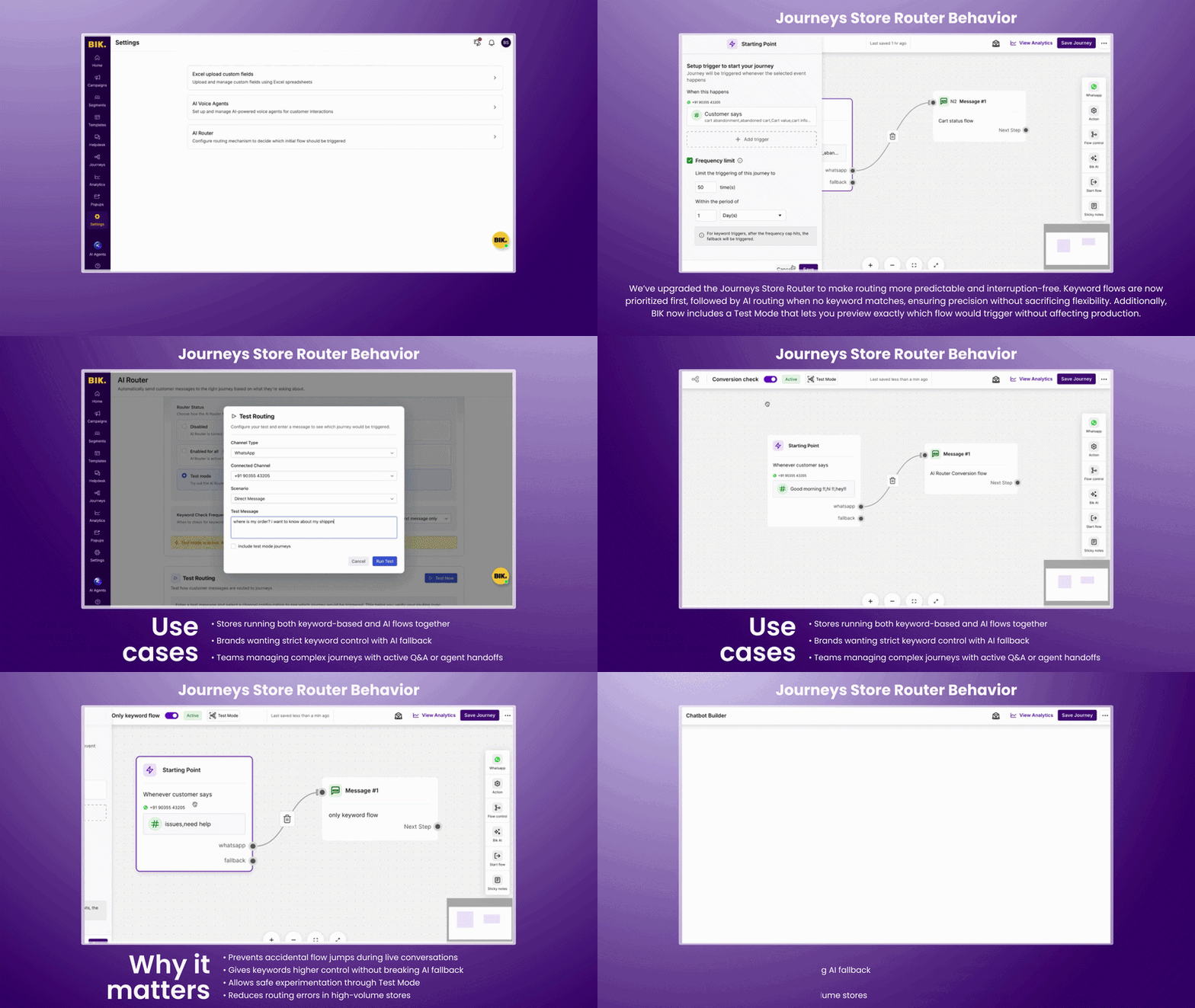
We’ve upgraded the Journeys Store Router to make routing more predictable and interruption-free. Keyword flows are now prioritized first, followed by AI routing when no keyword matches, ensuring precision without sacrificing flexibility. The system also respects active question, assistant, or agent blocks, so ongoing conversations don’t get disrupted. Additionally, BIK now includes a Test Mode that lets you preview exactly which flow would trigger without affecting production.
Use cases:
- Stores running both keyword-based and AI flows together
- Brands wanting strict keyword control with AI fallback
- Teams managing complex journeys with active Q&A or agent handoffs
- Operators who want to test routing logic before going live
Why it matters:
- Prevents accidental flow jumps during live conversations
- Gives keywords higher control without breaking AI fallback
- Maintains uninterrupted agent and assistant interactions
- Allows safe experimentation through Test Mode
- Reduces routing errors in high-volume stores
AI Product Specialist Embed
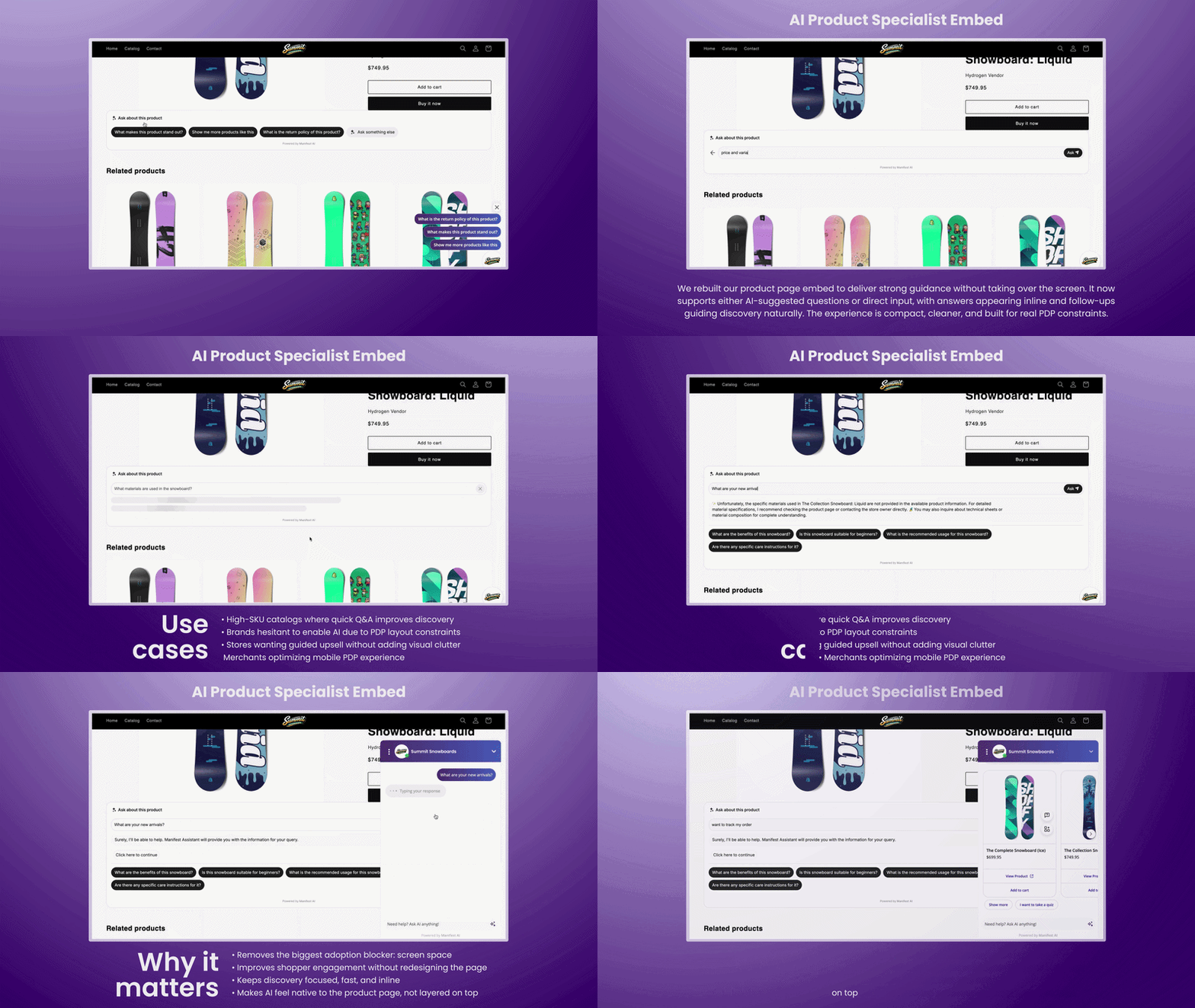
One concern we kept hearing from merchants was simple:
“Your AI assistant works well, but it takes too much space on my product page.”
So we rebuilt it.
The new AI Product Specialist is compact, sits neatly within the PDP, and still guides shoppers effectively. You can choose how it starts either with AI-suggested questions (plus an “Ask anything” option) or with a clean text box. Answers open inline, follow-ups appear automatically, and the interaction flows downward without breaking the page.
We also cleaned up the existing assistant with better spacing, alignment, and all follow-up questions now visible within two lines.
Use cases:
- Brands hesitant to enable AI due to PDP layout constraints
- High-SKU catalogs where quick Q&A improves discovery
- Stores wanting guided upsell without adding visual clutter
- Merchants optimizing mobile PDP experience
Why it matters:
- Removes the biggest adoption blocker: screen space
- Improves shopper engagement without redesigning the page
- Keeps discovery focused, fast, and inline
- Makes AI feel native to the product page, not layered on top
Merchant Onboarding Revamp
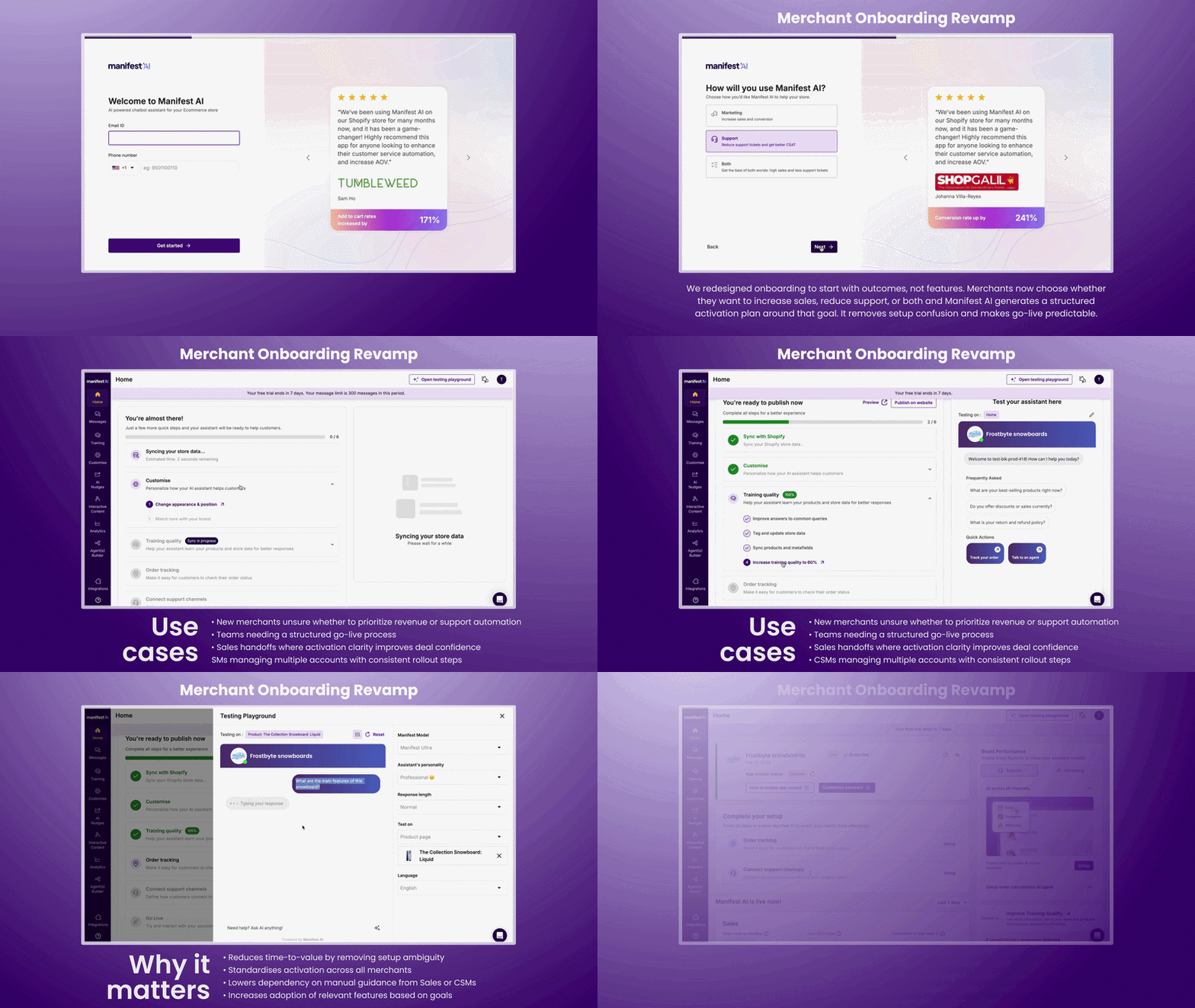
One thing we noticed: merchants were logging into Manifest AI and asking, “What should I start with?”
So we rebuilt onboarding around outcomes, not features.
After validation, merchants now choose their primary objective i.e., Increase Sales, Reduce Support Tickets, or Both.
Based on that, Manifest AI generates a structured Pre Go-Live and Post Go-Live checklist tailored to that goal.
The platform also checks plan eligibility (like lifetime orders and custom domain) before activation.
Instead of exploring features randomly, merchants now follow a clear execution path.
Use cases:
- New merchants unsure whether to prioritize revenue or support automation
- Teams needing a structured go-live process
- Sales handoffs where activation clarity improves deal confidence
- CSMs managing multiple accounts with consistent rollout steps
Why it matters:
- Reduces time-to-value by removing setup ambiguity
- Standardises activation across all merchants
- Lowers dependency on manual guidance from Sales or CSMs
- Increases adoption of relevant features based on goals
Cross Questioning for Smarter Product Recommendations
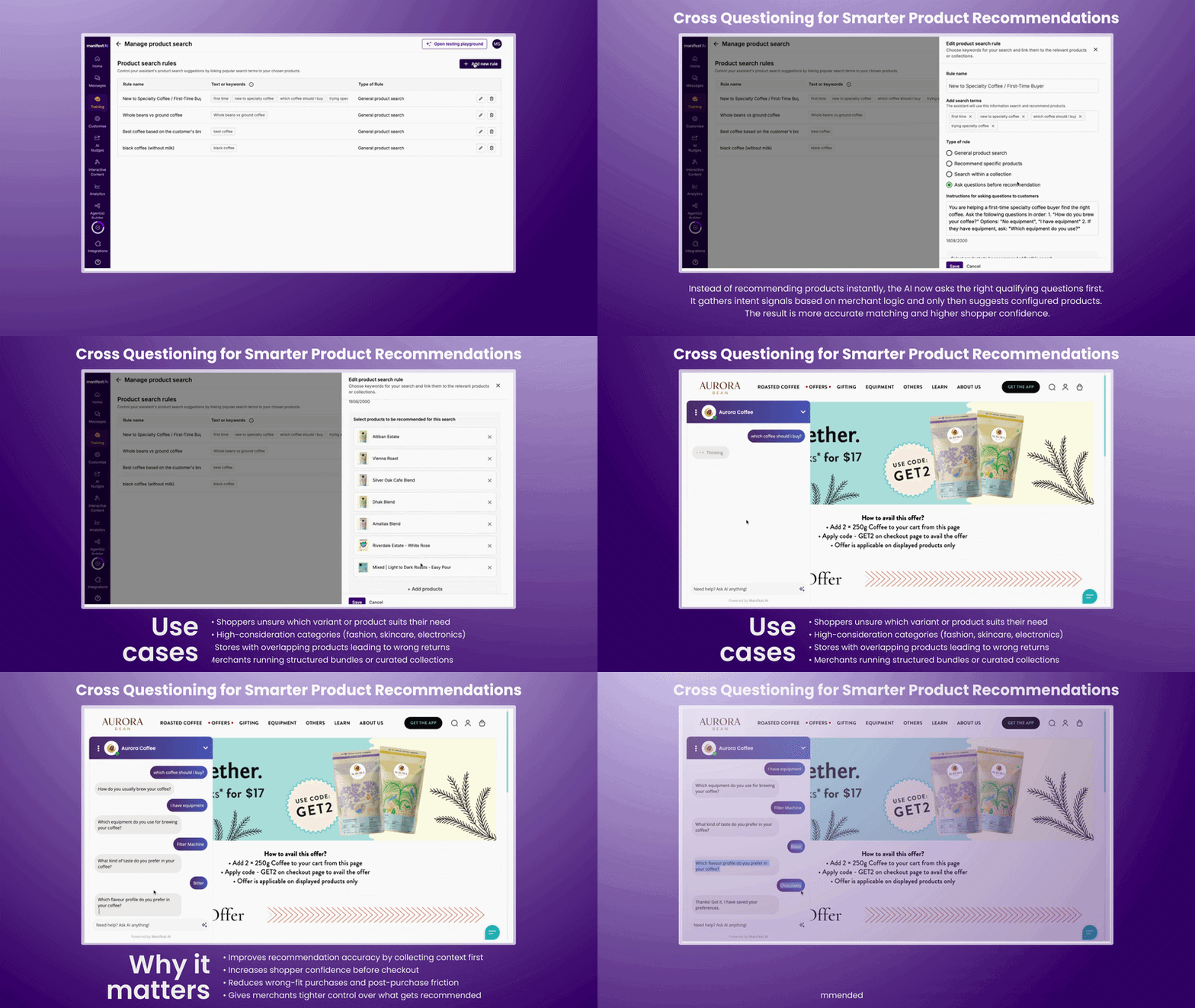
We’ve upgraded Product Search Rules to allow the AI to ask clarifying questions before recommending products.
Instead of instantly suggesting items based on keywords, the AI can now gather intent signals like purpose, use case, or priorities and based on merchant-defined logic. Only after qualifying the shopper does it recommend products, restricted to configured product IDs.
It’s a shift from reactive suggestions to guided matching.
Use cases:
- Shoppers unsure which variant or product suits their need
- High-consideration categories (fashion, skincare, electronics)
- Stores with overlapping products where wrong recommendations cause returns
- Merchants running structured bundles or curated collections
Why it matters:
- Improves recommendation accuracy by collecting context first
- Increases shopper confidence before checkout
- Reduces wrong-fit purchases and post-purchase friction
- Gives merchants tighter control over what gets recommended
👋 That’s a wrap
You made it to the end - you’re now 5x more AI-savvy than you were 5 minutes ago. Got feedback? Send us an email at support@bik.ai; we read every single message.